

Why Commercial Epoxy Flooring Is Perfect for Your Gym
If you are opening a new gym in Melbourne or upgrading an existing fitness centre, your flooring decision will affect safety, maintenance costs, and your brand image for the next decade or more. This guide covers everything Melbourne gym owners need to know about commercial epoxy flooring – from performance and pricing to design and installation.
Why Gym Flooring Is a Critical Business Decision
A busy Melbourne gym experiences a level of physical punishment that most commercial spaces simply never face. Every session brings dropped barbells, dragged cable machines, hundreds of footfalls, sweat, rubber soles, and chemical cleaning agents. Flooring that cannot handle those combined stresses will crack, peel, or stain within months — creating a safety hazard, an eyesore, and an unplanned maintenance cost.
Melbourne gym owners are increasingly choosing commercial-grade epoxy flooring systems over standard rubber tiles, vinyl plank, or painted concrete for one straightforward reason: epoxy is engineered to handle exactly those conditions. It is a purpose-built solution for high-use commercial fitness environments.
At Allgrind Melbourne, we install epoxy flooring and commercial industrial epoxy flooring across Melbourne. The guide below draws on our real-world experience with gyms, fitness studios, and training facilities across the city.
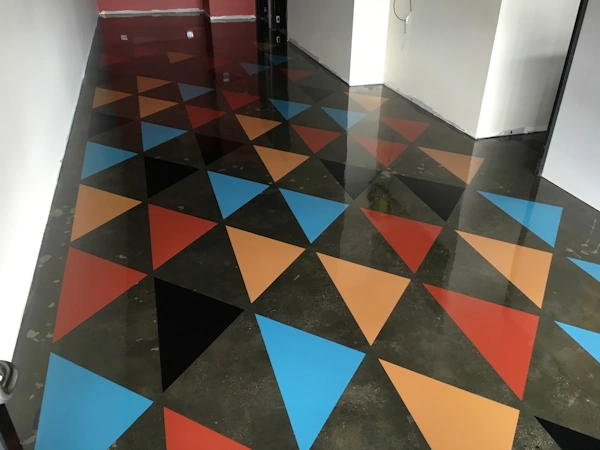

What Is Commercial Epoxy Flooring?
Commercial epoxy flooring is a multi-layer coating system applied directly to a concrete substrate. It is built from a combination of epoxy resins and polyamine hardeners that bond chemically with the concrete and cure into an extremely hard, seamless surface. Unlike thin floor paints or single-coat sealers, a true commercial system typically includes a primer coat, a body coat, and one or more protective topcoats.
The result is a surface with far higher compressive strength, abrasion resistance, and chemical resistance than painted or sealed concrete alone. Because the system is seamless – no grout lines, no joins – it eliminates the gaps where moisture and bacteria collect.
For gyms specifically, the most common system types are:
- Self-levelling epoxy — a thick, smooth surface ideal for weights rooms, studios, and reception areas
- Anti-slip epoxy with broadcast aggregate — used in wet zones, change rooms, and bathrooms where traction is critical
- Flake or vinyl chip epoxy — combines decorative appeal with texture, popular in multi-use training areas. Learn more on our vinyl flake flooring page
- Mortar-grade epoxy — a heavy-duty system for loading docks or areas with forklift traffic, occasionally used in crossfit-style facilities with extreme equipment loads
If you are weighing your options, our comparison of epoxy versus polished concrete for Melbourne businesses and our guide to epoxy vs flake flooring in Melbourne can help you decide which system best fits your space.
How Epoxy Flooring Handles the Demands of a High-Traffic Gym
Withstands Heavy Equipment and Dropped Weights
Commercial epoxy flooring systems create a seamless, high-strength surface that handles extreme loads without cracking or sagging. The high compressive strength of a cured epoxy system makes it ideal for areas housing treadmills, squat racks, free weights, plate-loaded machines, and resistance cable systems.
Epoxy also absorbs impact better than many hard flooring options. When weights are dropped or equipment is moved across the surface, the coating helps protect both the underlying concrete slab and your expensive gym equipment. This reduces damage to the structure and extends the serviceable life of your facility.
Resists Cracking, Chipping, and Surface Wear
Unlike tiles, vinyl, or standard concrete coatings, commercial epoxy flooring is engineered specifically for durability under repeated mechanical stress. It resists the most common forms of gym-related surface damage:
- Cracking or chipping from dropped free weights and kettlebells
- Denting or permanent deformation under static equipment loads
- Surface wear and scuffing from constant foot traffic and rubber soles
- Substrate cracks telegraphing through the coating over time
Many commercial epoxy systems are formulated to flex slightly with the concrete substrate, reducing the risk of long-term structural cracking. This keeps your gym floor looking clean and professional even under the most intense daily use.
Long-Lasting Performance: What to Realistically Expect
When professionally installed with thorough surface preparation, commercial epoxy flooring can last anywhere from 10 to 20 years or longer with routine maintenance. This longevity makes it one of the most cost-effective long-term flooring investments for Melbourne gym owners who want reliability without repeated disruption to operations.
The key factor in longevity is surface preparation. The concrete substrate must be ground, profiled, and fully free of contamination before any coating is applied. Our concrete preparation process is designed to maximise adhesion and ensure the full system lifespan.
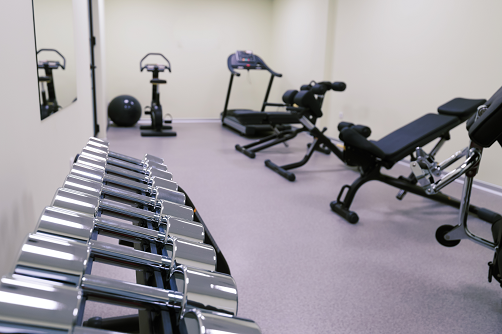
Commercial Epoxy Flooring Cost in Melbourne
One of the first questions Melbourne gym owners ask is: how much does commercial epoxy flooring cost? The honest answer is that epoxy flooring pricing varies depending on floor size, substrate condition, system type, and the level of design customisation you want.
As a general guide, the current market range in Melbourne is:
| System Type | Approximate Price (AUD/m²) | Best For |
|---|---|---|
| Standard self-levelling epoxy (2–3mm) | $53 – $85/m² | Weights areas, studios, corridors |
| Mid-range system with broadcast flake | $85 – $120/m² | Multi-use training zones, reception |
| High-build or custom decorative system | $120 – $183/m² | Premium fit-outs, logo inlays, wet zones |
When evaluating the cost of epoxy flooring, it is important to factor in what you are comparing against. Rubber tiles may appear cheaper upfront but typically require replacement every five to seven years and offer no seamless hygiene benefit. Polished concrete delivers a premium look but may not offer the same slip resistance or chemical resistance in wet zones without additional treatment.
For a detailed comparison of what influences your final price, see our concrete and flooring cost estimate guide. For a tailored figure specific to your facility, contact Allgrind Melbourne directly for a free site assessment and quote.
Design Flexibility: Matching Your Gym's Brand Identity
A gym’s visual environment directly influences member experience, retention, and first impressions from prospective sign-ups. Commercial epoxy flooring gives you far more creative control than most other hard flooring options.
Custom Colours, Textures, and Finishes
Epoxy flooring can be specified in a broad range of colours, surface textures, and sheen levels. High-gloss finishes reflect light and make smaller training spaces feel more open. Matte or satin finishes reduce glare in studios with large windows or strong natural light. Textured or broadcast systems add visual depth while improving underfoot traction.
At Allgrind Melbourne, we tailor the epoxy system — colour, aggregate type, topcoat sheen — to suit your brand identity and the specific function of each zone within your facility.
Embed Your Gym Logo or Brand Graphics
One of the most impactful design advantages of commercial epoxy flooring is the ability to incorporate logos, brand colours, and custom graphics permanently into the floor surface. Entrance areas, the weights floor, reception zones, and feature training spaces can all carry your branding in a durable, long-lasting format.
These graphics are sealed beneath protective epoxy layers, meaning they will not fade, lift, or wear despite years of heavy foot traffic and regular cleaning.
Zone Definition for Better Flow and Safety
Colour-coded epoxy flooring is a practical tool for zone delineation within a gym layout. Cardio areas, free weight sections, functional training zones, stretching areas, and pedestrian walkways can each be defined using distinct colours or floor patterns. This improves member navigation during peak hours, supports safety compliance, and gives your facility a planned, professional feel that members notice and appreciate.
Safety and Hygiene: Why Epoxy Excels in Fitness Environments
Slip-Resistant Surfaces for Wet and High-Risk Zones
Gyms generate a lot of moisture – around drink stations, in bathroom and change room areas, at the pool or recovery zone entrance, and on the main training floor itself during intense sessions. Anti-slip epoxy systems with broadcast silica or aluminium oxide aggregate deliver measurable, certifiable traction that meets Australian slip resistance standards under the relevant testing protocols.
This is particularly important in bathroom and change room areas, where wet bare feet and slip-and-fall incidents pose a liability risk. Properly specified anti-slip epoxy significantly reduces that risk for both members and staff.
Non-Porous Surface for Faster, More Effective Cleaning
Epoxy flooring is non-porous. Liquids, sweat, cleaning chemicals, and body oils sit on top of the surface rather than soaking in. This makes daily cleaning faster and far more thorough. Simple sweeping followed by mopping with a diluted gym-safe disinfectant is typically all that is required to maintain a hygienic surface.
The coating is also highly resistant to the strong disinfectants commonly used in commercial fitness environments — bleach-based cleaners, quaternary ammonium compounds, and enzyme-based products will not degrade a properly installed epoxy topcoat.
No Grout Lines: Eliminates Bacteria and Mould Harbouring
Tiled floors are common in older gym change rooms and bathrooms, but grout lines are a persistent hygiene problem. They trap moisture, soap residue, sweat, and skin cells — exactly the conditions that mould, mildew, and bacteria need to thrive. Epoxy flooring has no grout lines or seams, eliminating those harbourage points entirely.
Many commercial epoxy formulations also include antimicrobial additives that actively inhibit the growth of odour-causing microorganisms. This creates a noticeably cleaner-smelling facility — something members will register, even if they cannot identify exactly why.
Cost and Maintenance Advantages Over Time
Lower Long-Term Maintenance Costs
The upfront epoxy flooring cost for a commercial gym may be higher than laying rubber tiles or painting the concrete. However, the total cost of ownership over a 10-to-20-year period is typically much lower. Commercial epoxy flooring does not require:
- Regular resealing or re-coating (unlike grind-and-seal concrete)
- Professional steam cleaning
- Sanding, refinishing, or surface stripping
- Frequent tile or section replacement due to cracking
This reduction in ongoing maintenance spend frees up both budget and management time across the life of your facility.
Fast Installation with Minimal Operational Downtime
Most commercial epoxy flooring installations for gym-sized areas can be completed within one to three days. Many systems allow light foot traffic within 12 to 24 hours of the final topcoat, allowing gyms to return to partial or full operation quickly after the work is done.
For active facilities that want to remain partially open during works, staged installation options are available. Allgrind Melbourne can work with your operating hours to minimise disruption to members and revenue.
Comparing Epoxy to Other Gym Flooring Options
Melbourne gym owners typically weigh epoxy against a handful of alternatives. Here is how they compare in the context of a commercial fitness environment:
- Rubber tiles: Excellent for impact absorption in free weight zones, but not seamless, harbour bacteria at joins, and degrade under UV over time. Many gyms use rubber tiles in specific lifting areas and epoxy elsewhere.
- Polished concrete: Visually premium and durable, but typically requires anti-slip treatment in wet zones. Our guide to epoxy vs polished concrete for Melbourne businesses explores this in detail.
- Vinyl plank or LVT: Cost-effective for low-traffic areas but not suitable for heavy equipment zones and can delaminate under moisture.
- Microcement / microtopping: A designer option for reception and wellness areas. Our microtopping vs polished concrete comparison is useful if you are specifying a premium front-of-house finish.
For many commercial gyms, the practical answer is a hybrid approach: epoxy in the main training areas and wet zones, with complementary finishes in retail, reception, or members-lounge spaces. Our team can help you specify the right system for each area of your facility.
Where Commercial Epoxy Flooring Is Used in Melbourne Gyms
Commercial epoxy is not limited to the main training floor. It is well-suited to nearly every area of a modern fitness facility:
- Weights room and functional training area — high-build self-levelling or broadcast flake systems
- Cardio zone — smooth or lightly textured epoxy, easy to clean under equipment
- Group fitness studios — satin or matte finish for aesthetics, anti-fatigue properties where needed
- Reception and member services — custom colour or decorative chip system with logo inlay
- Bathrooms and change rooms — anti-slip broadcast epoxy meeting AS 4586 slip resistance requirements
- Pool surrounds or hydrotherapy areas — chemical-resistant epoxy with high anti-slip aggregate loading
- Storage and plant rooms — standard commercial epoxy for durability and easy maintenance
Allgrind Melbourne has delivered commercial and industrial epoxy flooring for facilities across Melbourne, including in the Docklands, Melbourne CBD, and Southbank areas. We understand the unique demands of the commercial fitness sector and bring that experience to every installation.
The Allgrind Melbourne Installation Process
A quality result starts well before the first coat of epoxy is mixed. Our process for commercial gym floors involves five key stages:
- Site assessment and specification — we evaluate the existing concrete substrate, identify any cracks, contamination, or moisture issues, and specify the correct epoxy system for your use case and budget.
- Concrete surface preparation — diamond grinding and shot blasting to open the concrete profile and achieve the correct surface texture for adhesion. This stage is the most important factor in system longevity. More on our preparation process here.
- Crack and defect repair — any structural cracks, control joint issues, or surface voids are repaired with appropriate epoxy filler products before coating begins.
- System application — primer, body coat/s, and topcoat applied in controlled conditions. Broadcast aggregate or decorative elements are incorporated at the correct stage.
- Final inspection and handover — we check the completed surface against quality benchmarks before handing over the floor and providing aftercare guidance.
Frequently Asked Questions: Epoxy Flooring for Melbourne Gyms
How long does commercial epoxy flooring last in a gym?
With professional installation and proper surface preparation, a commercial epoxy system can last 10 to 20 years or more in a gym environment. The actual lifespan depends on traffic volume, cleaning routine, and whether any topcoat maintenance is carried out. Our guide to epoxy floor lifespan covers the key factors in detail.
What is the epoxy flooring price per square metre in Melbourne?
Commercial epoxy flooring in Melbourne typically ranges from approximately AUD $53 to AUD $183 per square metre, depending on the system type, floor size, and substrate condition. Contact Allgrind Melbourne for a tailored quote based on your specific facility.
Can epoxy flooring handle dropped weights?
Yes. Commercial epoxy systems are formulated with high compressive and tensile strength. While no flooring is entirely immune to impact from a heavy barbell dropped at height, epoxy performs significantly better than standard coatings, tiles, or vinyl. For extreme impact zones, a heavier build system or a hybrid approach with rubber matting in specific areas may be recommended.
Is epoxy flooring slippery when wet in change rooms?
Standard epoxy can be slippery when wet, which is why wet-area applications use anti-slip systems with broadcast aggregate — silica sand, aluminium oxide, or similar. These achieve measurable slip resistance ratings compliant with Australian standards. Always specify an anti-slip system for bathrooms, change rooms, and pool surrounds.
How long does installation take and when can members return?
Most commercial gym epoxy installations are completed within one to three days. Light foot traffic is typically possible within 12 to 24 hours of final topcoat application. Full cure — at which point the surface reaches its maximum hardness and chemical resistance — usually takes five to seven days.
Can I add my gym’s logo to an epoxy floor?
Yes. Logos, brand graphics, and colour zoning can all be incorporated into a commercial epoxy system. The graphics are sealed beneath the protective topcoat, meaning they will not fade or wear despite heavy daily use. This is a popular feature for entrance areas, reception zones, and main training floors.
Why Melbourne Gym Owners Choose Allgrind Melbourne
At Allgrind Melbourne, we specialise in commercial concrete flooring systems for high-use environments across the city. We work with gym owners, facility managers, commercial builders, and fit-out contractors to deliver epoxy flooring that is safe, durable, and tailored to the specific demands of each space.
Our team brings direct experience with commercial fitness facilities, understanding the operational pressures gym owners face — the need for fast turnaround, minimal downtime, and a result that members will notice for the right reasons.
We also offer a range of complementary services that may be relevant to your project, including polished concrete, concrete overlays, and commercial polished concrete in Melbourne. If you want to compare finishes before committing, our interactive floor visualiser tool lets you see different flooring options in a real gym-style space.