When it comes to commercial concrete floors, grinding and sealing aren’t two separate services, they’re part of the same solution.
At Allgrind, most of our commercial projects – warehouses, retail spaces, factories, showrooms and car parks – involve both grinding and sealing. Why? Because doing one without the other usually means compromising durability, appearance and long-term performance.
If you manage or own a commercial property, here’s why these two processes go hand in hand.
Grinding Prepares the Floor for Performance
Before any protective treatment can be applied, the concrete needs to be properly prepared.
Grinding removes:
Old coatings, adhesives or epoxy residue
Surface damage and uneven areas
Contaminants that prevent proper bonding
Minor cracks and surface imperfections
For commercial spaces, this step is critical. Forklift traffic, pallet movement, machinery and daily foot traffic all take a toll. Grinding creates a clean, level surface that’s ready for sealing and ensures the sealer actually bonds properly.
Without grinding first, sealers often fail prematurely.
Sealing Protects Your Investment
Once the surface is prepared, sealing locks in protection.
For commercial properties, sealing provides:
Resistance to oil, grease and chemical spills
Protection against dusting and surface breakdown
Reduced moisture penetratio
Improved stain resistance
Easier cleaning and maintenance
In warehouses and factories, unsealed concrete can create ongoing dust problems. In retail and hospitality venues, stains and wear can make a space look tired quickly. Sealing dramatically extends the life of the floor while keeping it presentation-ready.
Better Durability in High-Traffic Areas
Commercial floors work hard. Grinding strengthens the surface by removing weak top layers and exposing solid concrete beneath. Sealing then reinforces that surface, reducing abrasion from:
Forklifts and pallet jacks
Heavy equipment
Constant foot traffic
Vehicle movement
The result? A floor that lasts longer and reduces the need for costly resurfacing or replacement.
For property managers, that means fewer disruptions and lower long-term maintenance costs.
Professional Appearance That Reflects Your Brand
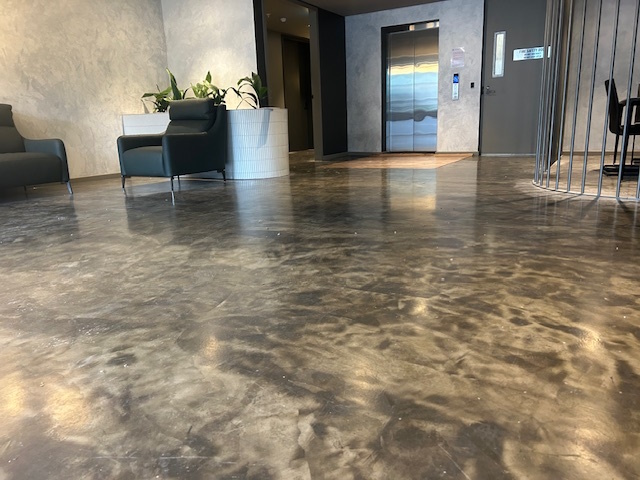
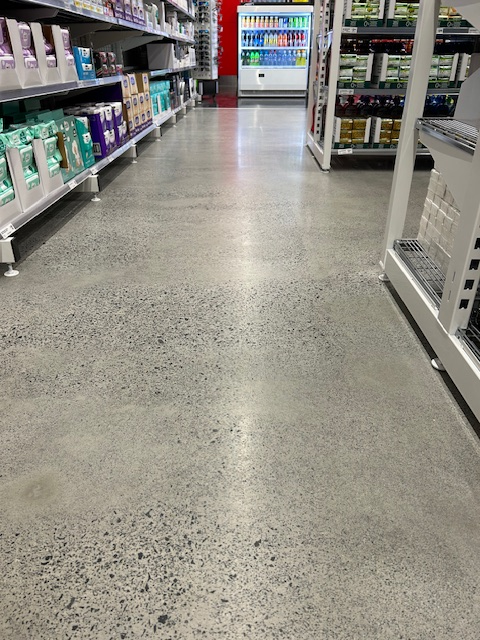
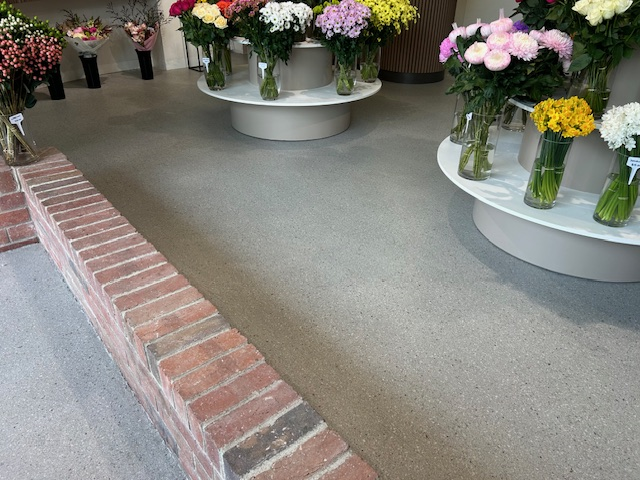
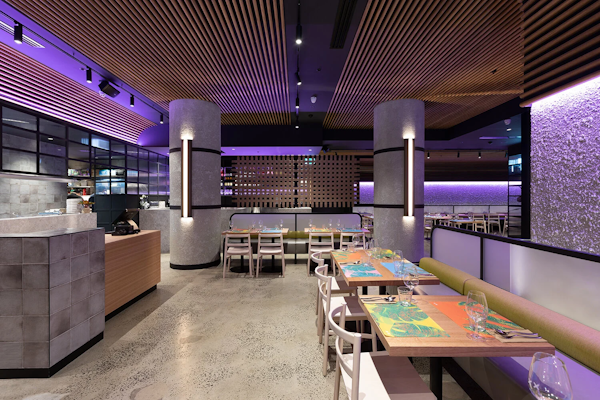
First impressions matter, even in industrial settings. Grinding can expose aggregate for a modern, polished look or create a clean, uniform matte finish. Sealing enhances the appearance while protecting it from fading and wear.
Showrooms
Retail stores
Office spaces
Commercial developments
A grind and seal finish delivers a professional, low-maintenance surface that looks sharp without the high cost of full polished concrete systems.
Easier Maintenance = Lower Ongoing Costs
Unsealed concrete absorbs spills and traps dust. That means more cleaning time and more maintenance.
Sealed concrete:
Resists staining
Cleans easily
Minimises dust build-up
Reduces long-term surface deterioration
For commercial property owners, that translates to real savings in cleaning, labour and future repairs.
Moisture & Damage Prevention
Melbourne’s changing weather and internal humidity can affect untreated concrete. Grinding improves surface consistency, while sealing helps reduce moisture ingress – which can otherwise lead to:
Surface cracking
Efflorescence (white powder residue)
Coating failures
Premature wear
In car parks, warehouses and ground-level facilities, moisture protection is particularly important.
Why Commercial Clients Choose Allgrind Melbourne
At Allgrind, we specialise in commercial concrete grinding and sealing across:
Warehouses
Factories
Retail spaces
Showrooms
Car parks
Office buildings
Industrial facilities
We understand that downtime costs money. That’s why we focus on:
Efficient project turnaround
Minimal disruption to operations
Clear communication
Durable, long-term outcomes
Thinking About Upgrading Your Commercial Floor?
If your concrete floors are dusty, stained, worn or outdated, grinding and sealing is one of the most cost-effective upgrades you can make.
It improves durability, enhances presentation, and reduces ongoing maintenance – all without the cost of full floor replacement.
📞 Contact Allgrind today to discuss your commercial concrete project and get a tailored quote.
Doing one without the other compromises durability, appearance, and long-term performance. Grinding properly prepares the concrete by removing old coatings and surface damage, ensuring the sealer can bond perfectly to protect your floor.
Concrete grinding removes old adhesives, epoxy residue, surface damage, and contaminants. This process creates a clean, level surface that is crucial for high-traffic commercial spaces dealing with forklifts, pallets, and heavy machinery.
Sealing locks in protection by providing resistance to oil, grease, and chemical spills. It also stops surface dusting, reduces moisture penetration, improves stain resistance, and makes daily cleaning significantly easier and cheaper.
This process is highly beneficial for warehouses, factories, retail spaces, showrooms, car parks, office buildings, and industrial facilities looking for a durable, professional, and low-maintenance flooring solution in Melbourne.